Welding equipments & Body Protection
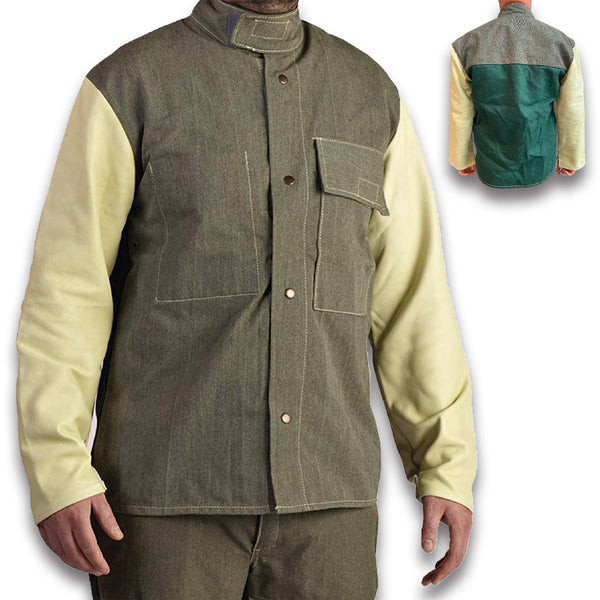
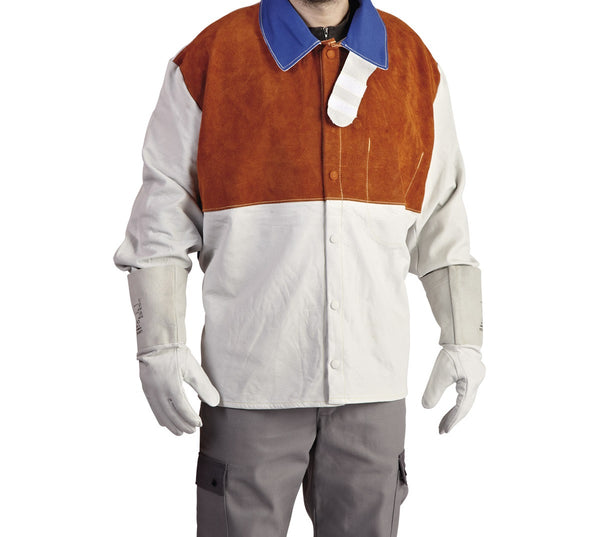
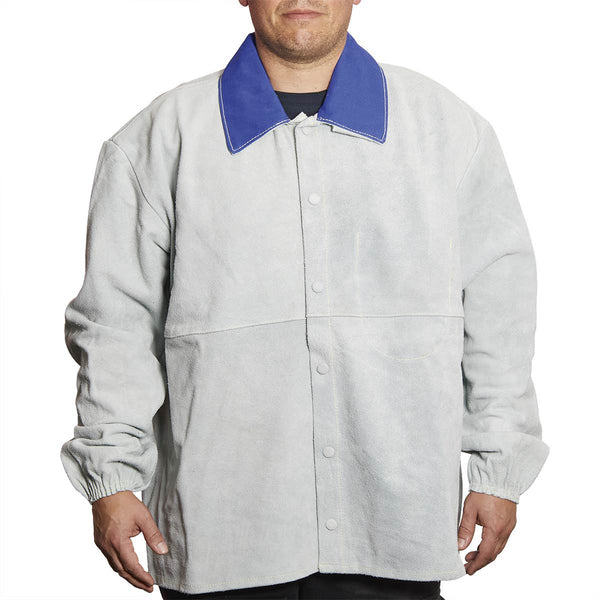
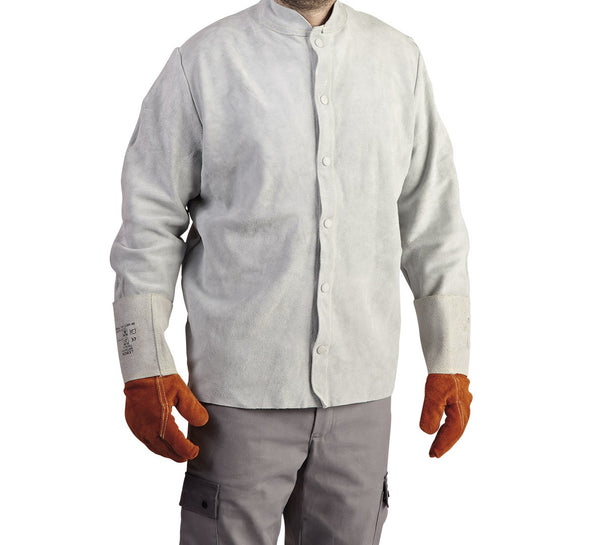
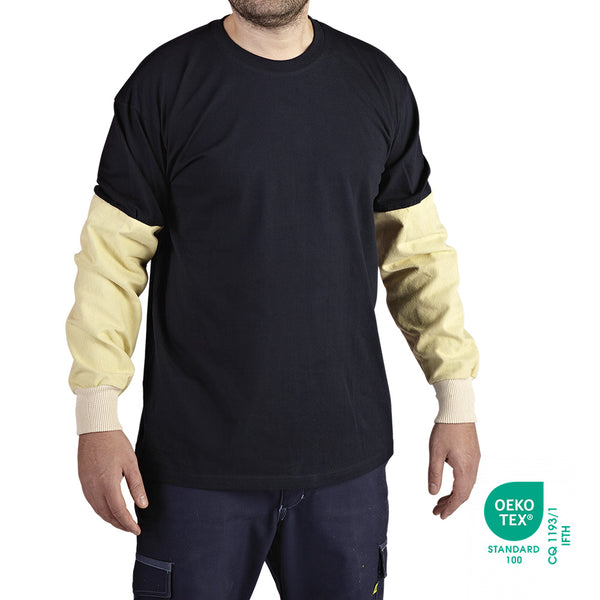
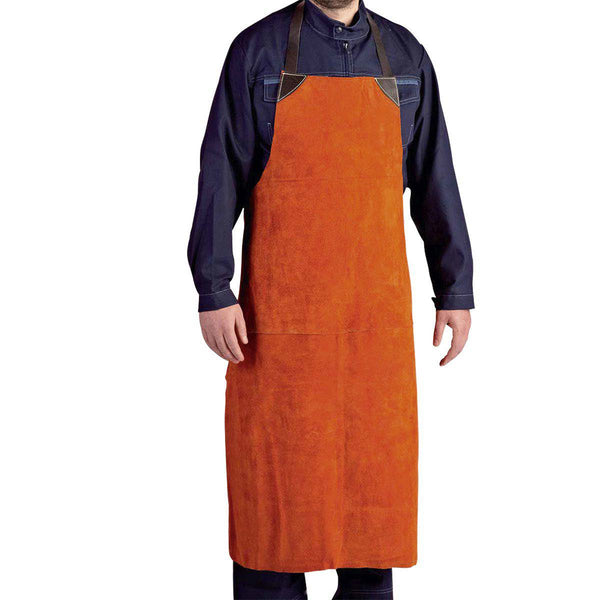
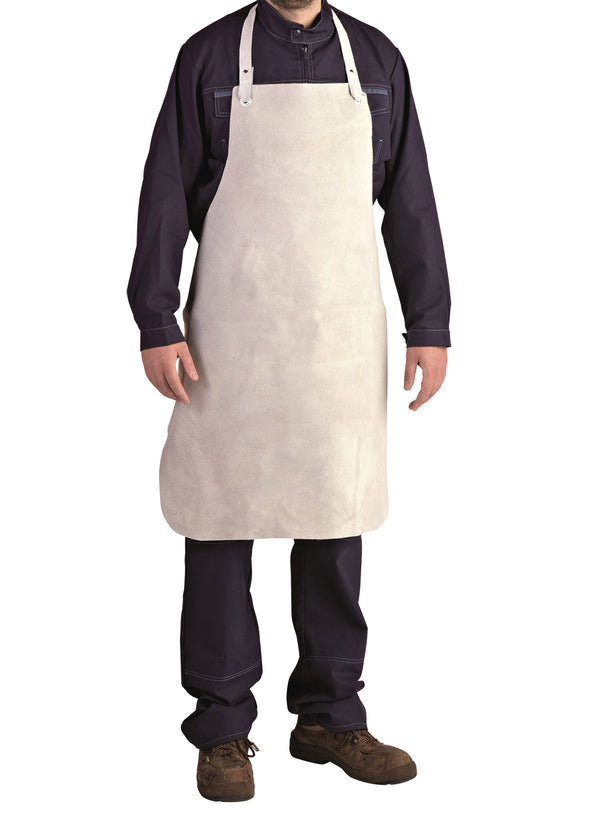
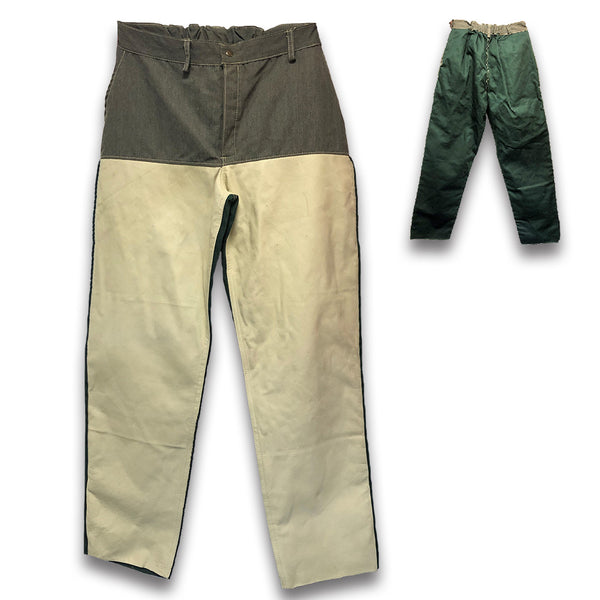
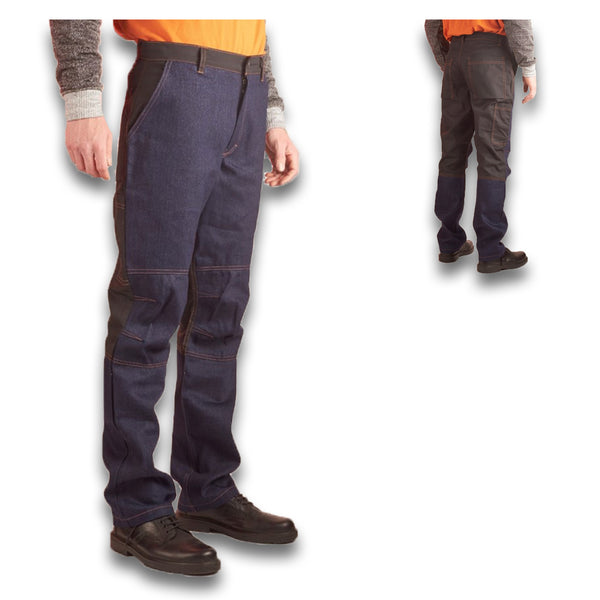
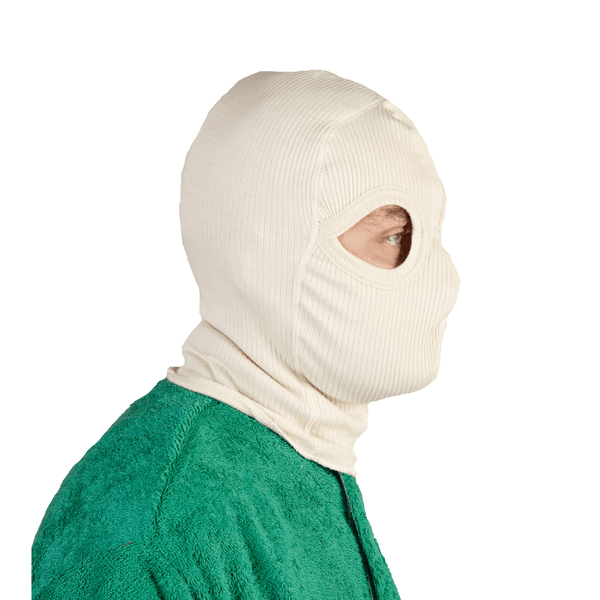
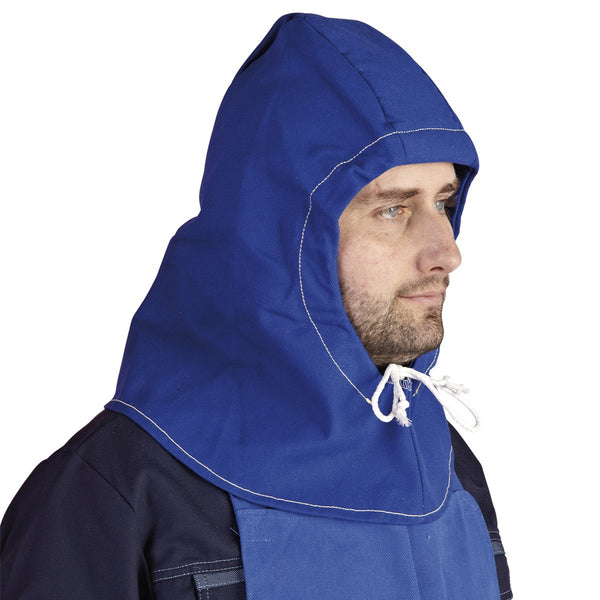
The industrial and construction sectors use different welding techniques. Torch welding, electric arc welding, TIG, MIG-MAG, plasma welding, MMA... all techniques that require appropriate PPE. The safety of the welder depends on effective protection.
Why wear PPE when welding?
A welder is exposed to many risks. Appropriate personal protective equipment helps prevent these risks and ensure that the work is carried out in complete safety. Indeed, the risks differ according to the type of welding that is carried out:
- Electrical hazards: these are related to bare raw materials such as electrodes, cables, or fittings, causing electrocution.
- Radiation: strong flashes of light impact the welder, as well as UV and infra-red radiation, that are less visible.
- Burns: by contact or projection on the skin, burns can also irradiate the eyes and cause irreversible external lesions.
- Smoke, dust, fumes: irritating and toxic, welding fumes are accompanied by dust linked to the materials.
- Noise: the risk of hearing loss is significant. Very powerful welding torches can reach up to 107 decibels, whereas hearing loss begins with prolonged exposure to 85 decibels.
- Cuts, crushing: handling and cutting metal parts exposes workers to the risk of severe cuts
Appropriate welding equipment is therefore needed to protect the various parts of the welder's body that are at risk.
Which equipment is required for welding?
Facing these multiple risks, the welder's work clothes must provide appropriate protection, from head to toe:
If the welder's equipment must meet the requirements of the EN-ISO 11611 standard, a distinction is made between two classes of welding clothing: class 1 concerns the well-known "light" welding techniques producing few projections of molten metal (TIG, MIG, gas welding...). On the other hand, class 2 is adapted to heavy and dangerous welding techniques (flame cutting, electric arc welding). Each type of welding has its own PPE. The welder's body protection includes several elements:
- Helmets, balaclavas, goggles, masks for proper eye and respiratory protection without blocking the welders' field of vision
- Hearing protection
- Protective gloves for optimal hand protection
- Sleeves
- Jacket
- Pants
- Apron
- Shoes, gaiters
All of these welding protections must meet two qualities: resistance for optimal safety and comfort for good freedom of movement.
Our range of protective equipment for welding
Lebon designs quality welding PPE that meets all standards requirements.
The welder's hands are the first areas of the body that are exposed. The choice of suitable gloves is therefore essential. The Lebon range of welding gloves meets the EN 12477 standard, whose main characteristics are protection against:
- Heat and projections
- Mechanical risks
- Electrical resistances for arc welding, if applicable.
Made of leather, some fully lined, these gloves provide dexterity and flexibility to the welder.
Fireproof body protections complete the welder's equipment. Lebon offers a wide range of products, from balaclavas to sleeves, including aprons and gaiters, for safe welding.